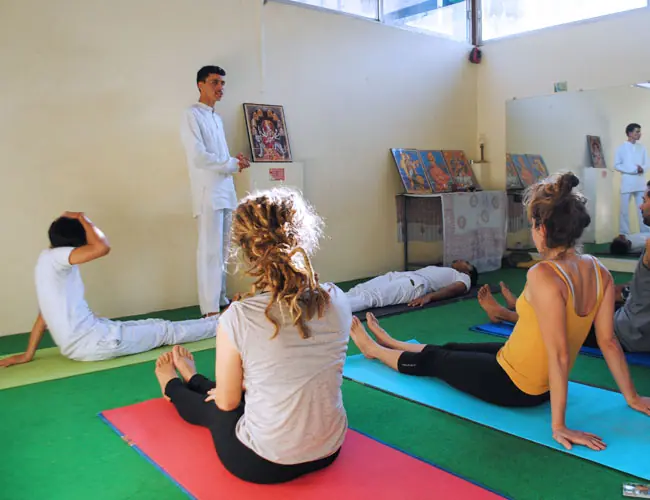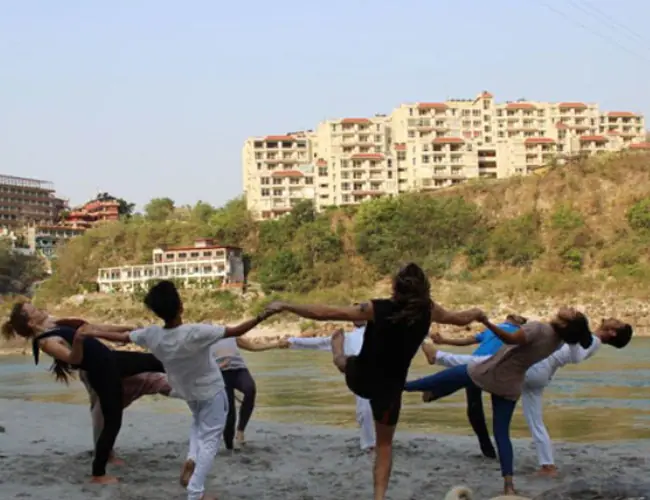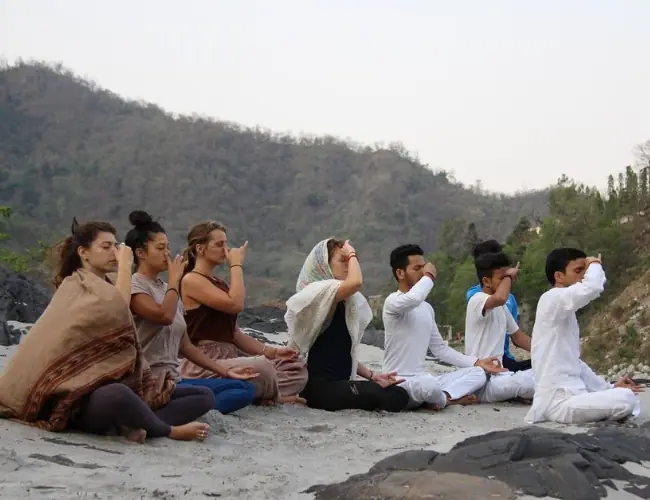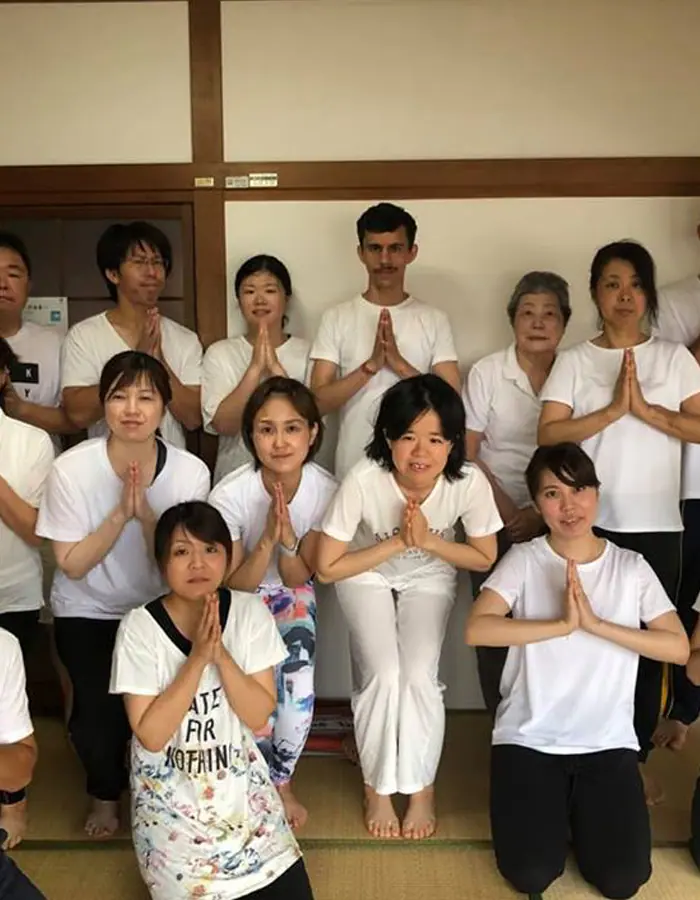
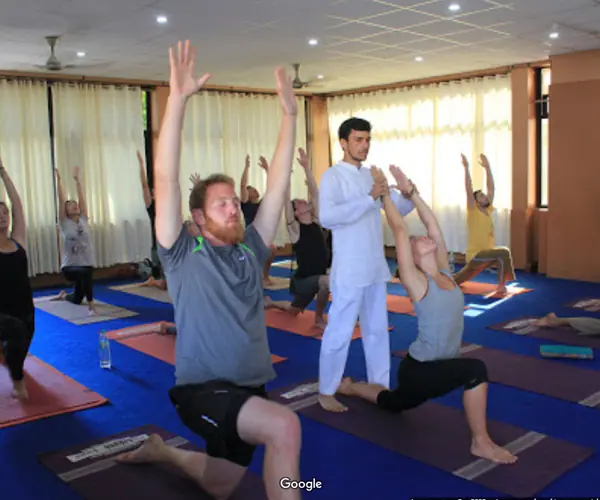
Demonstration, cueing, adjustments, sequencing and the qualities of a good teacher – what methodology covers in a YTTC.
Teaching methodology is the subject that turns a practitioner into a teacher. It covers how to communicate, observe, demonstrate and hold space for a group, and it is a required part of every Yoga Alliance teacher training.
What you learn
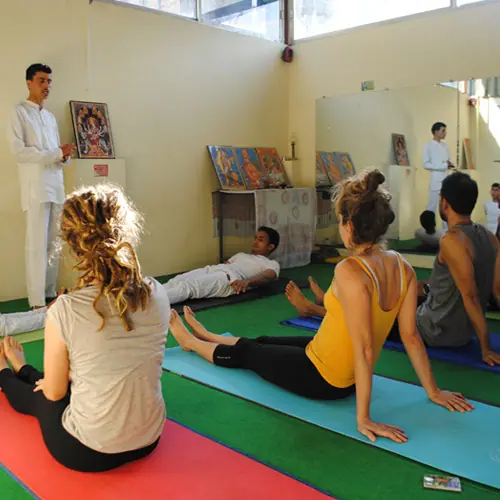
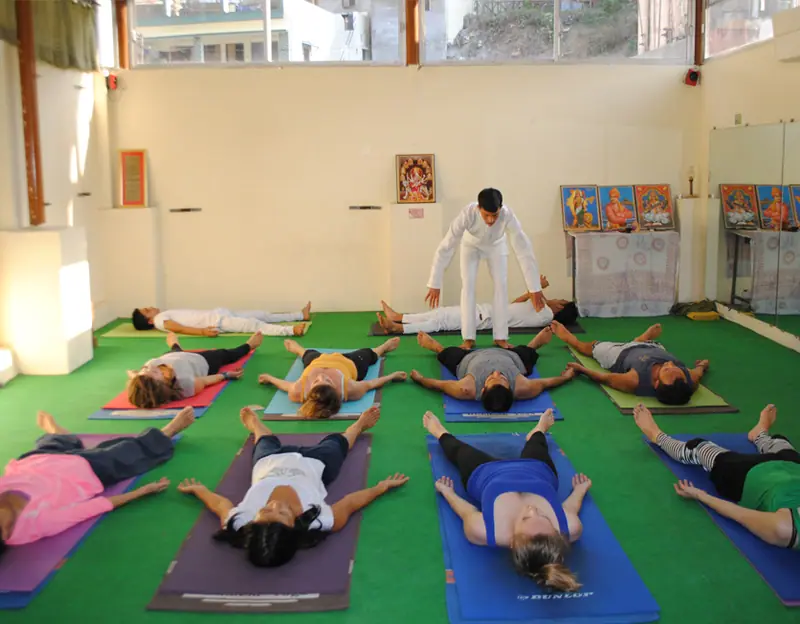
- Demonstration – when to show a posture and when to teach only with words.
- Verbal cueing – clear, simple instructions linked with the breath.
- Observation – reading students’ bodies and adapting the class.
- Hands-on and verbal adjustments – consent, safety and intention.
- Sequencing – building a class with a logical arc (see Vinyasa flow).
- Modifications and props – teaching beginners, older students and those with injuries.
- Teaching pranayama and meditation safely.
- The business and ethics of teaching yoga.
Qualities of a good teacher
Patience, clarity, humility and a personal practice. The best teachers keep learning and teach from experience rather than from a script – which is the spirit of Karma yoga.
From theory to practice
Methodology classes lead directly into the teaching practicum, where you teach your fellow students and receive feedback. Methodology is taught in our 100 hour, 200 hour and 300 hour yoga teacher training courses.